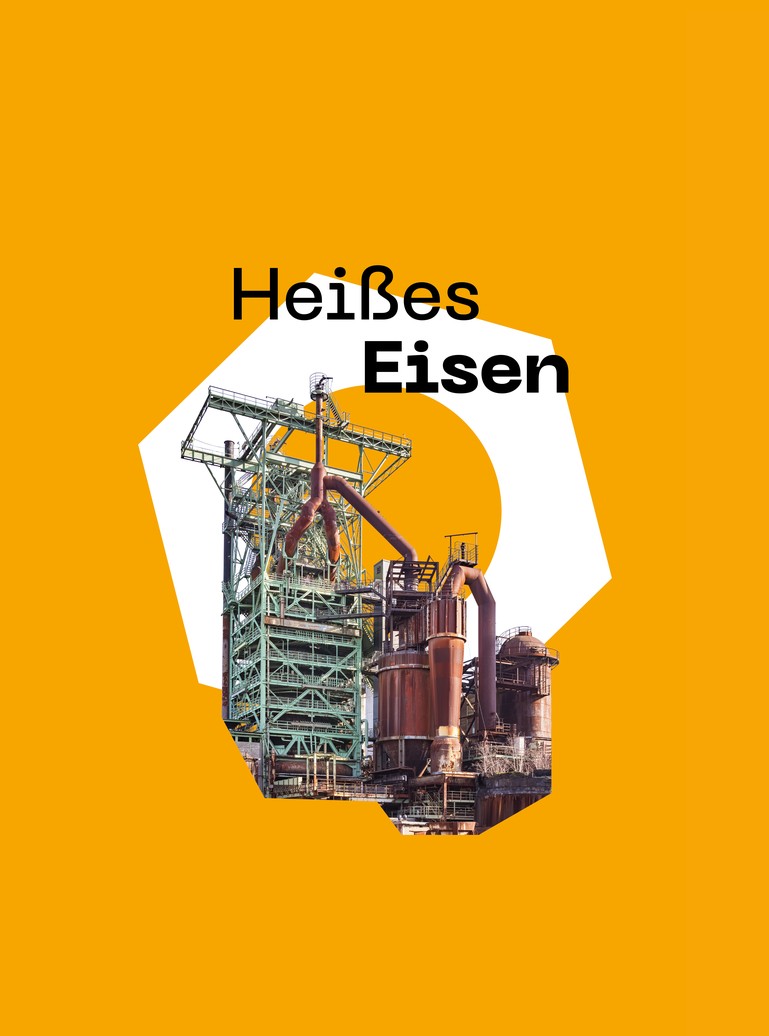
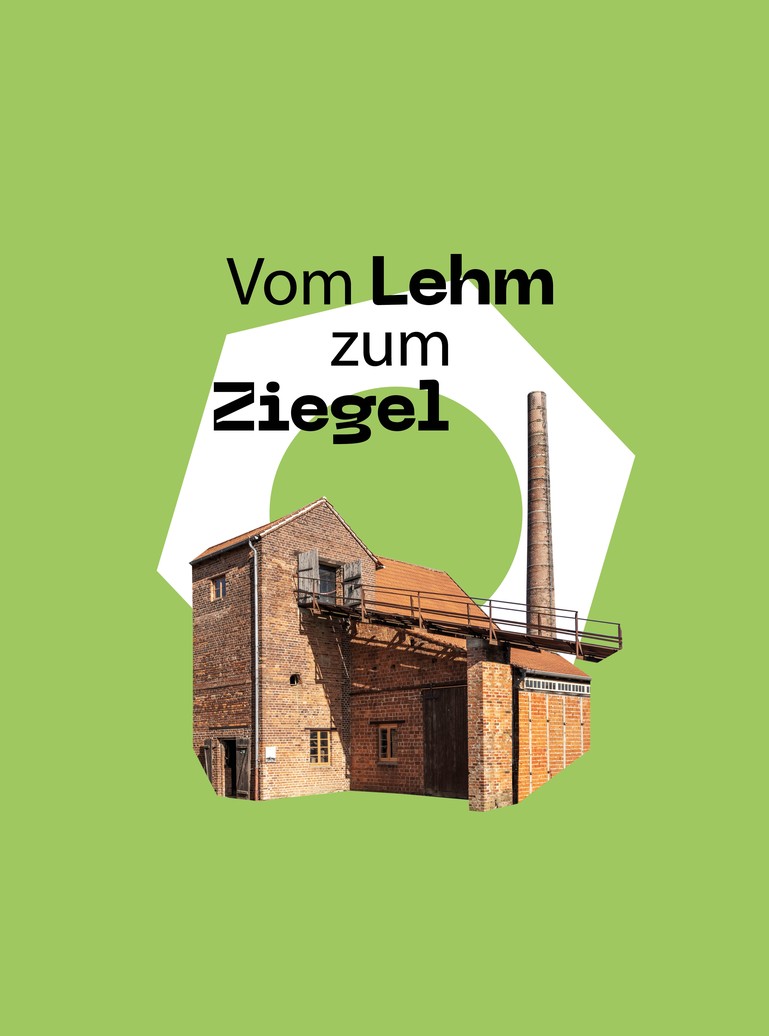
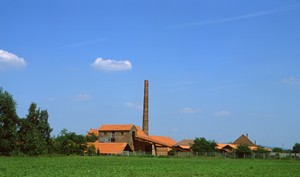
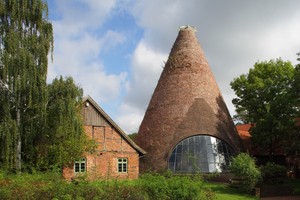
Red-hot sparks flying in all directions from blast furnaces, thousands of chimneystacks belching smoke into the heavens, wheels rotating on pithead gear, mechanical looms clattering in textile factories and steam locomotives chugging through the countryside. These were the images that dominated the area between the Rhine and Weser for 150 years. The industrial age has left its mark on the region more than any other epoch before or after. Nowadays most of the fires have long been quenched and the machines ground to a halt. We, by contrast, have taken up production on eight industrial sites once again. Now we are not only weaving cloth on historic machines and heating our kilns to over 1000 degrees Celsius to cast steel before your very eyes, but also making glass and baking bricks.
As the first and largest industrial museum in the whole of Germany we are proud to be able to research and present the cultural heritage of the industrial age. Our most outstanding exhibits are our building monuments, and our greatest interest is devoted to the people who worked and lived in and around the factories. You can find out much more about them in our exhibitions.
Why not take an exciting trip into the past and make surprising discoveries in the present? We can bring you to the oldest existing blast furnace in the region, take you along a mining gallery to a coal streak, on a railway trip or a boat excursion through the industrial age. So climb aboard!
Structural transformation in North Rhine Westphalia began in the 1960s. More and more factories closed their gates, thousands of jobs were lost and many relics of the Industrial Revolution disappeared. In order to prevent the history of this highly influential age from falling into oblivion the Westphalia-Lippe regional authority (LWL) decided to take action to preserve buildings, objects and memories of everyday life and work. As a result, in 1979, the first Museum of Industrial Culture in the whole of Germany was created.
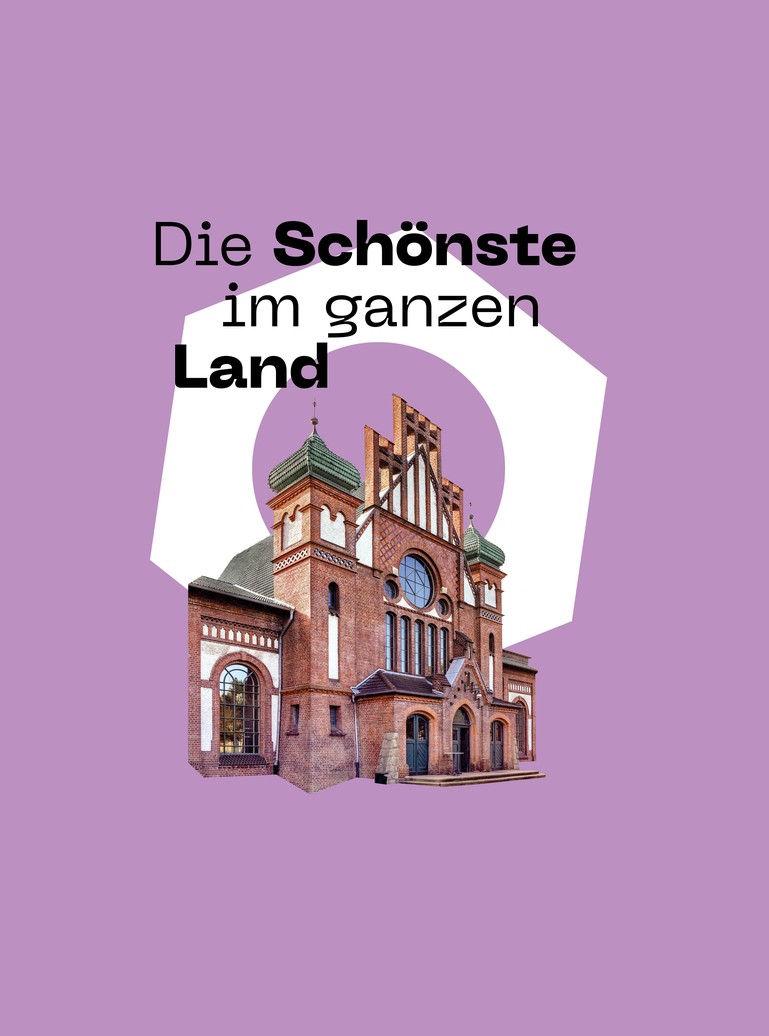
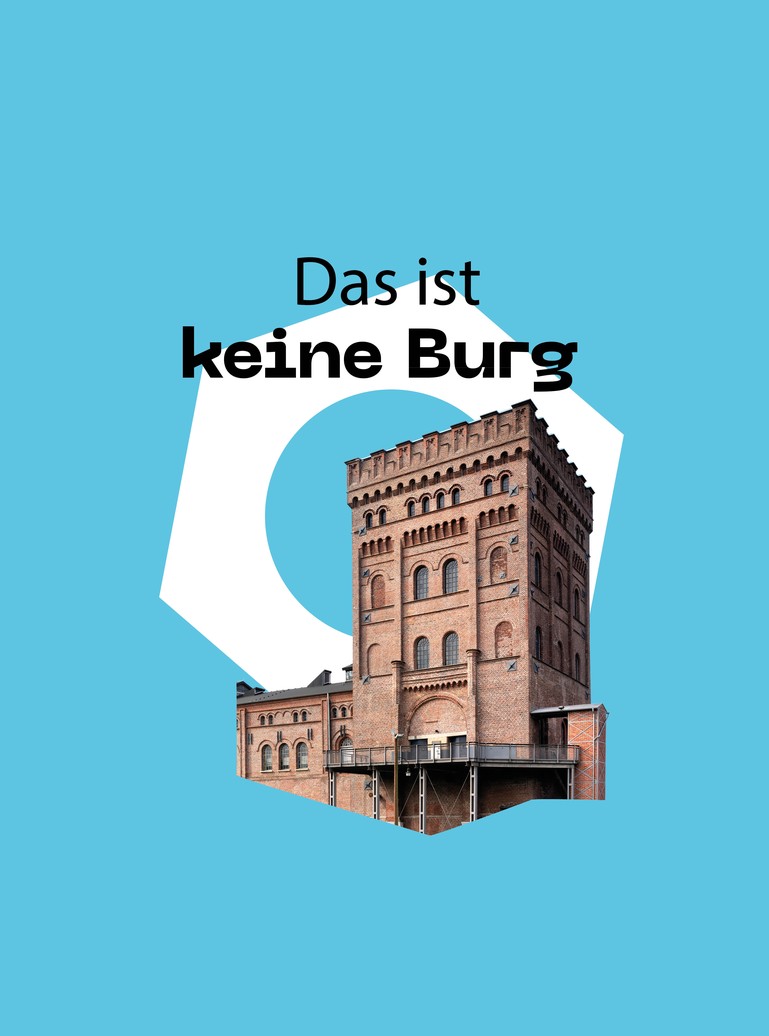
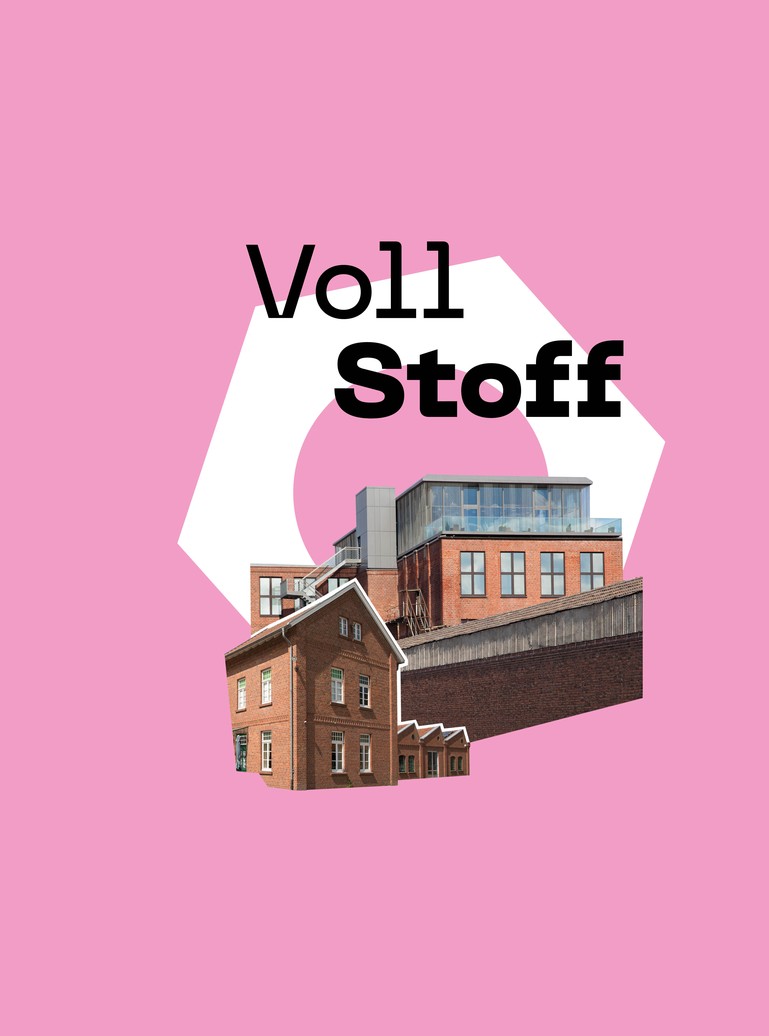
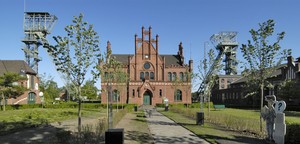
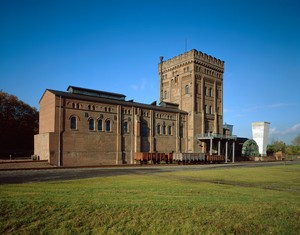
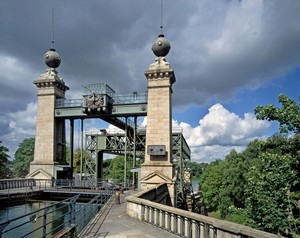
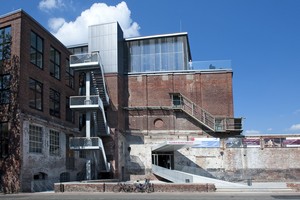
The germ-cell of the whole museum was the engine house in the Zollern colliery in Dortmund, with its impressive Jugendstil architecture. In 1969 the rescue of this extraordinary steel and glass building marked the beginning of industrial conservation in Germany and the birth of industrial heritage. Nowadays the Museum is housed on eight outstanding former industrial sites: three collieries, one blast furnace plant, a ship lift, a textile factory, a brickworks and a glassworks. The buildings, machines and inventories have been – and are still being – restored at great expense, and now form the centre of our museum activities.
Although our eight historical industrial sites might differ radically from one another, they have one thing in common: our exhibitions, guided tours and programmes are all committed to communicating industrial history in a lively manner. Our visitors are able to “grasp” industrial heritage literally by weaving textiles and shaping bricks with their own hands, trying to lift a heavy mechanical pick and blowing glass through a glassmaker’s blowpipe, not to speak of closely examining the plant and animal world which now flourishes on the old industrial sites.
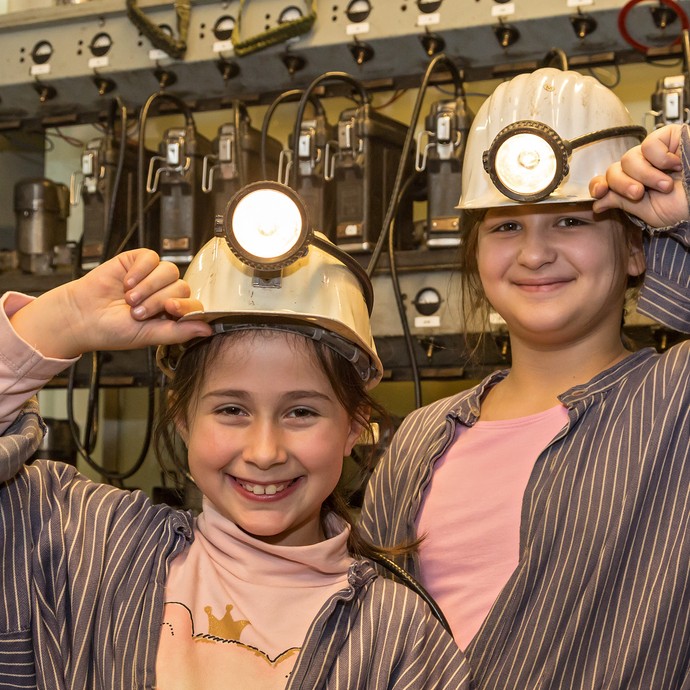
Our museum is intended for people of all ages. For this reason we offer models and texts which have been specially developed for children, alongside fascinating programmes for older people.
There is something else very special about the LWL industrial museums. Our eight sites not only present a huge number of different special exhibitions, but also hundreds of attractive events. We are not “just” a museum, but also a forum for the many different cultures in the region: art, theatre, music etc. A rabbit show has an equal status alongside a piano recital; and a car boot sale alongside an art exhibition. We present “boules” tournaments, and play host to annual miners’ gatherings, choral concerts, markets, trade fairs and business events. In short, we are a living museum. If you don’t believe us, come and see for yourself! You can find everything we have to offer, including times, places and dates on our
home page.