Eine Zeitreise in die Vergangenheit
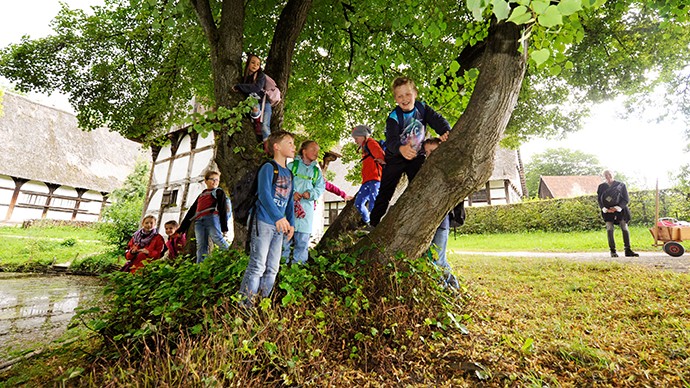
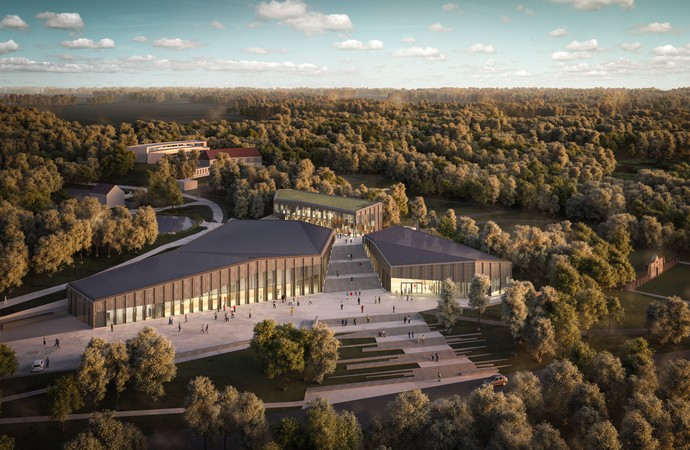
Ein weitläufiges Gelände mit historischen Gebäuden umgeben von herrlicher Natur: Im LWL-Freilichtmuseum Detmold verbringen Sie einen wunderschönen Tag mit Ihrer Familie oder Freunden.
In den Werkstätten schauen Sie der Fotografin, dem Schmied, dem Bäcker und der Töpferin bei der Arbeit zu. In den nach historischem Vorbild angelegten Gärten können Sie jede Menge alte Pflanzenarten und -sorten entdecken.
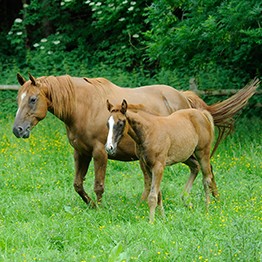
Auf den Weiden und Wiesen finden Sie zudem alte und zum Teil vom Aussterben bedrohte Haustierrassen wie zum Beispiel die Senner Pferde, das Siegerländer Rotvieh oder die Lippegänse.
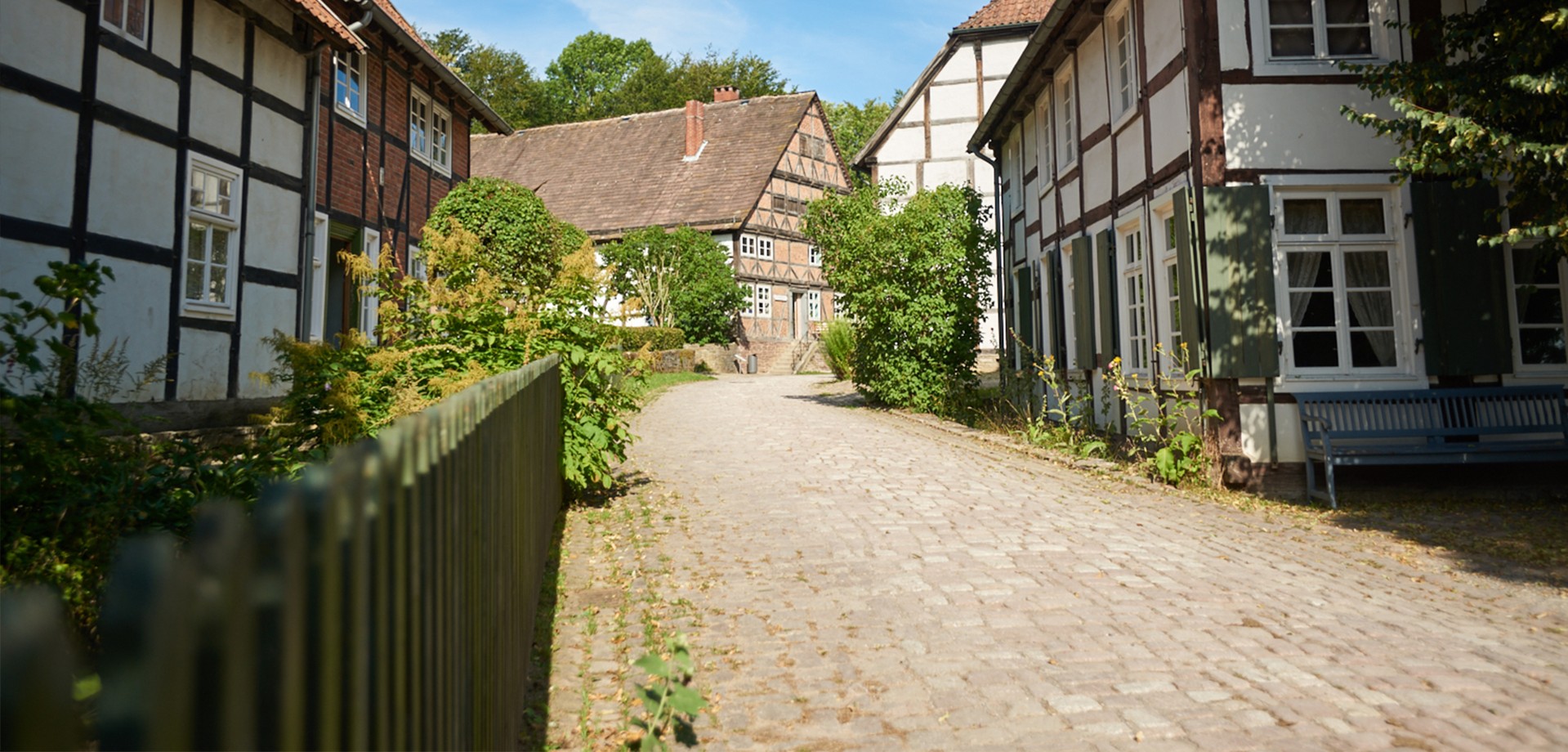
500 Jahre westfälische Alltagskultur
Originalgetreu eingerichtet
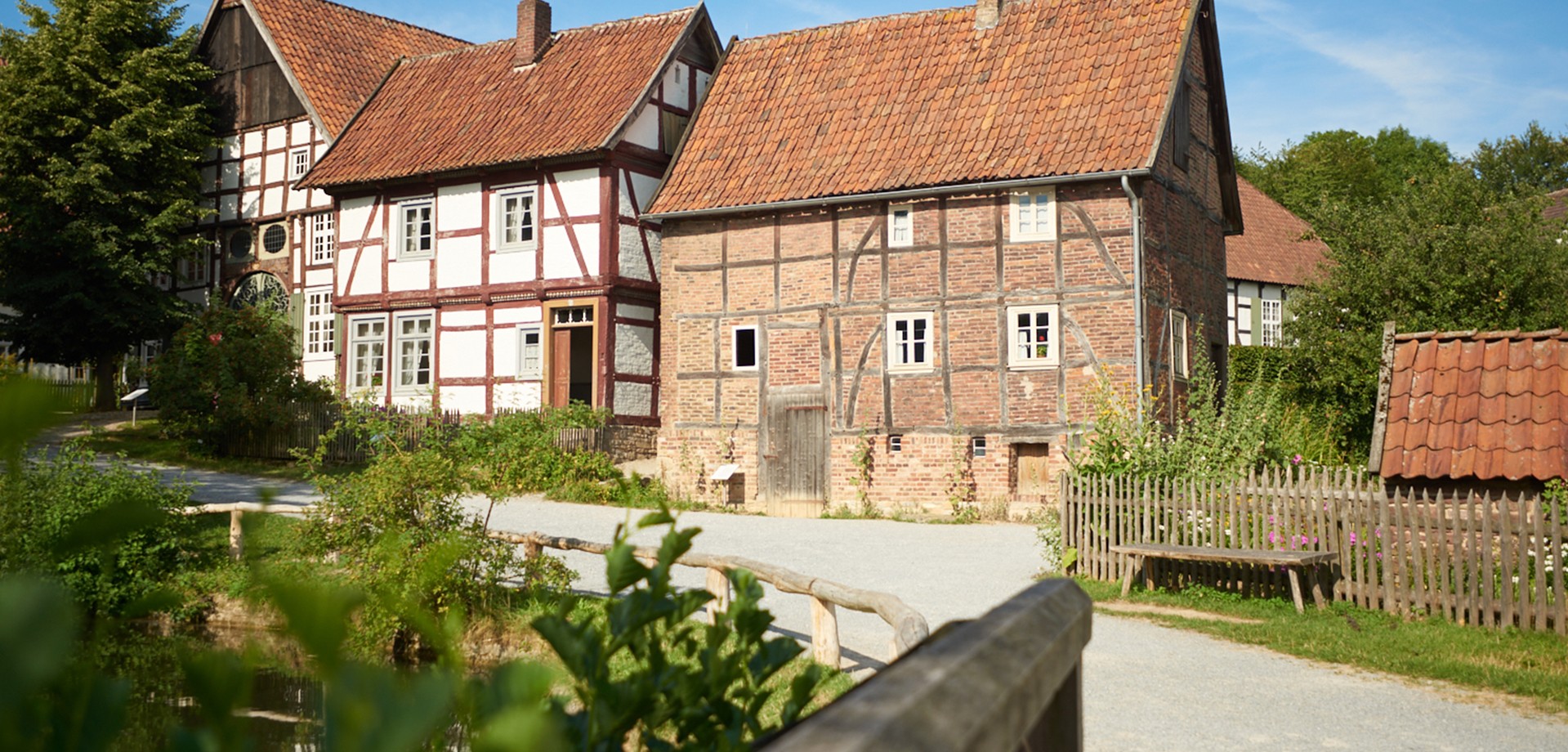
Die historischen Häuser wurden am Originalstandort abgebaut und im Freilichtmuseum wiederaufgebaut.
Die Einrichtung ist originalgetreu. Dadurch vermitteln die Häuser einen Eindruck, wie die Menschen früher gelebt und gearbeitet haben.
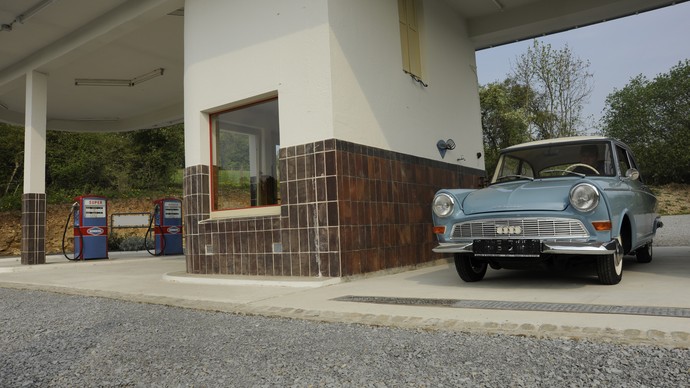
Bei uns erfahren Sie, wie sich der Alltag im Laufe der letzten 500 Jahre verändert hat.

Öffnungszeiten und Eintrittspreise
Öffnungszeiten
23. März - 31. Oktober 2024
Montag: geschlossen
Dienstag - Sonntag: 9 bis 18 Uhr
Feiertage (auch Montag): 9 bis 18 Uhr
Letzter Einlass: 17 Uhr
Eintrittspreise
Kinder und Jugendliche unter 18 Jahren: frei
Erwachsene: 8 Euro, ab 16 Personen: 6,50 Euro
Ermäßigt: 4 Euro
Mit LWL-Museumscard und "Freunde": frei
Besuchen Sie uns, wir freuen uns auf Sie!
Zielsicher ins Museum
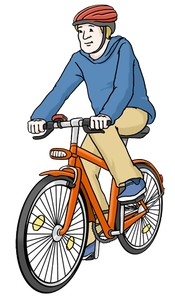
Unser Museum erreichen Sie mit dem Auto, dem Bus oder auch mit dem Fahrrad.
Mit dem Auto
Adresse:
LWL-Freilichtmuseum Detmold
Krummes Haus
32760 Detmold
Anfahrt mit dem Bus
Ab Detmold Hauptbahnhof:
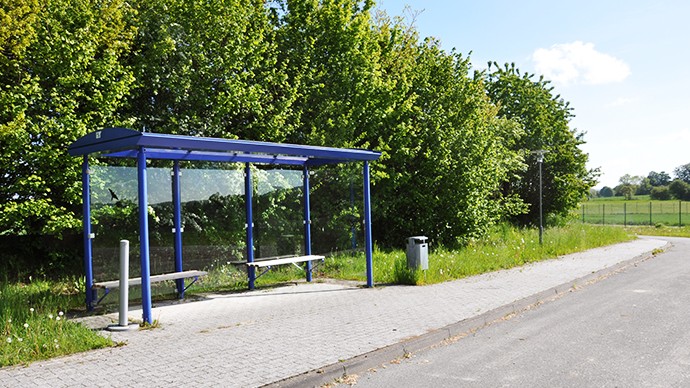
Buslinie 701, 703 oder 782 bis Haltestelle Sommertheater.
Mit dem Fahrrad
Von der Detmolder Innenstadt aus:
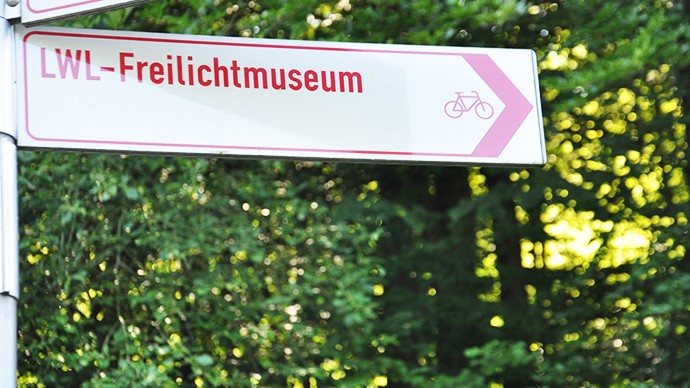
Allee-Radweg entlang der Paderborner Straße.
Barrierefreiheit im LWL-Freilichtmuseum Detmold
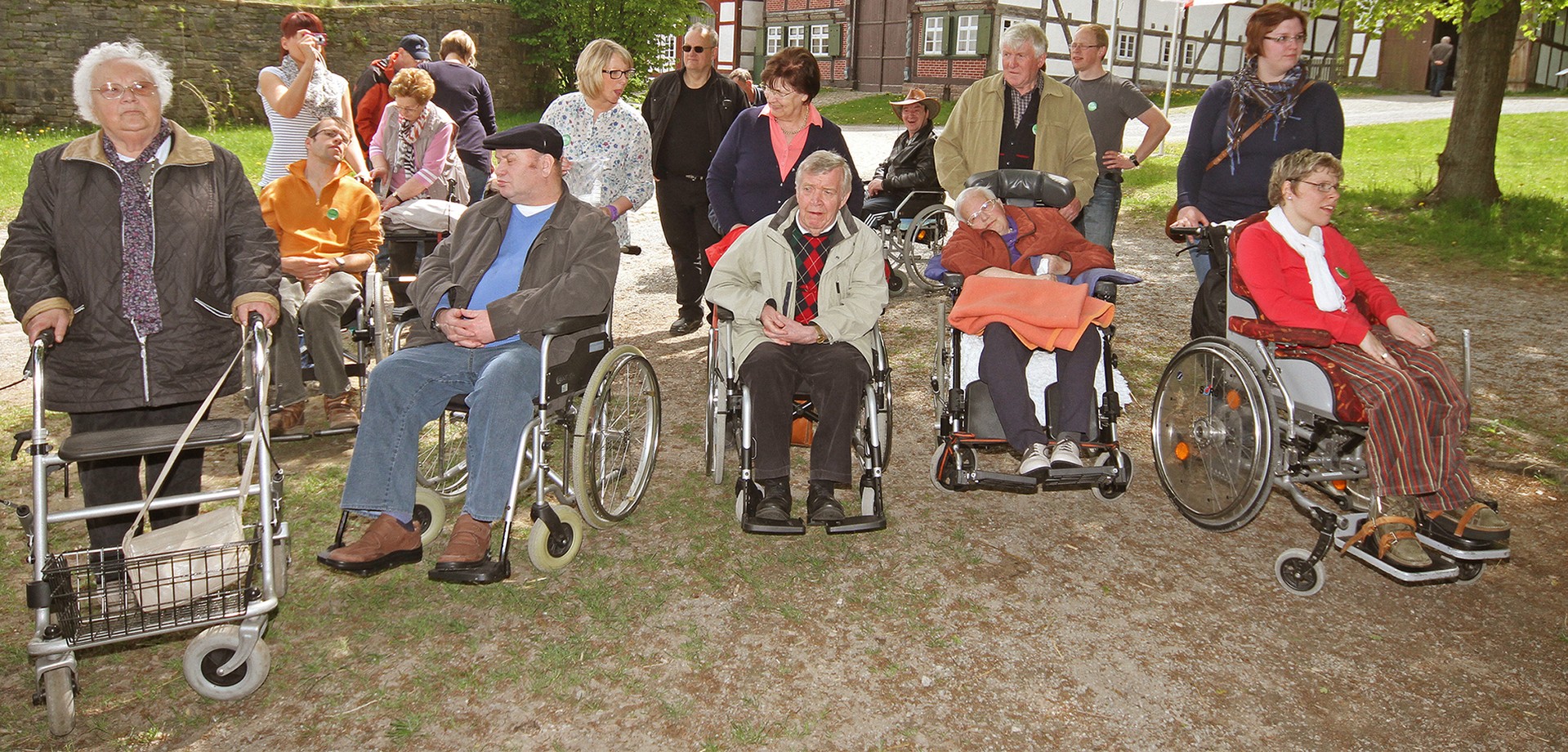
Wir bauen Barrieren ab
Da unser Gelände sehr groß ist, möchten wir Ihnen hier ein paar nützliche Informationen an die Hand geben. So können Sie Ihren Tag im Museum in vollen Zügen genießen.
Veranstaltungen und Aktivitäten
Vielfältige Veranstaltungen und Aktivitäten für Klein und Groß
Auf unserem großen Gelände können Sie nicht nur spazieren gehen
und sich die alten Häuser und Landschaften ansehen.
Wir bieten zahlreiche Veranstaltungen und Aktivitäten
für Erwachsene, Kinder, Jugendliche und Schülergruppen.
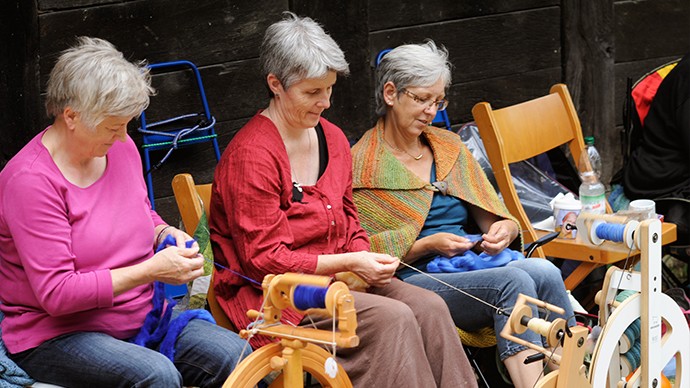
Für Erwachsene
Ob Gruppenreise oder ein kreativer Nachmittag mit Freunden: Bei uns gibt es ein umfangreiches Angebot an Aktivitäten.
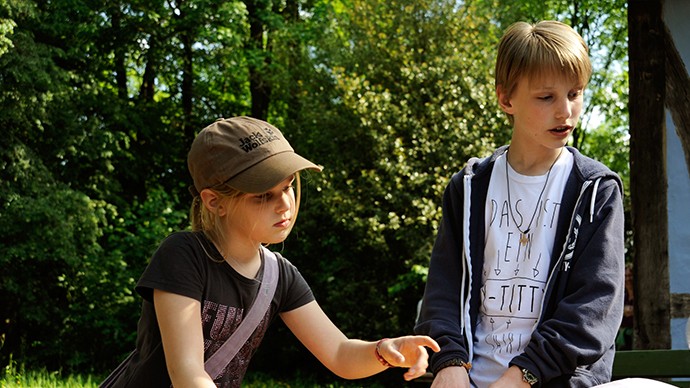
Für Jugendliche und Kinder
Ob Kindergeburtstag oder Sonntagsausflug:
Mit unseren Mitmach- und Aktionsprogrammen
kommt keine Langeweile auf.
Weitere Informationen zum Programm für Jugendliche und Kinder
Für Schulgruppen
Für Schulgruppen unterschiedlichen Alters haben wir ein vielseitiges Angebot, das auf die
Lehrpläne abgestimmt ist.